Plant Uptime Notes · est. 2026
Notes from the floor, for the people who sign the acceptance.
This desk writes for the people who buy, commission and keep industrial equipment running: plant engineers, maintenance leads, project buyers and the consultants who sit between them.
The notes here are written from the shop floor rather than the brochure. They describe what fails, what the failure costs, and which document would have prevented it. Where a number appears, it is there to be written into a specification rather than admired.
There is no sponsored content and no affiliate links. Where a note points to a page that goes deeper on a subject, it is because that page carries the detail this note did not have room for.

The notes
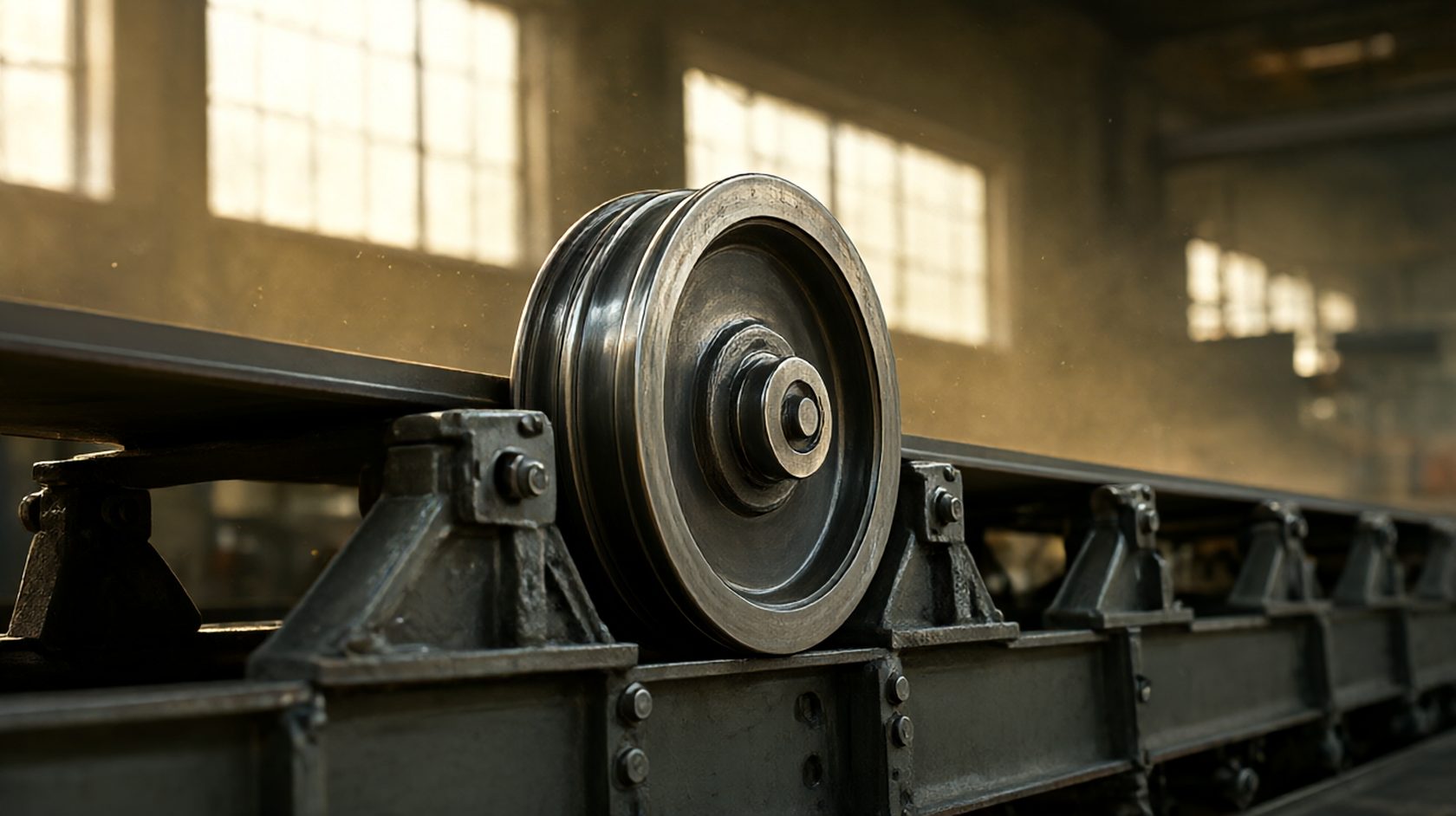
Belt tracking is a geometry problem, not an adjustment problem
Every plant has a conveyor that runs off to one side. Almost every attempt to fix it adjusts an idler. Almost none of those attempts work, because tracking is decided by the frame, the pulleys and the load - not by the idlers.
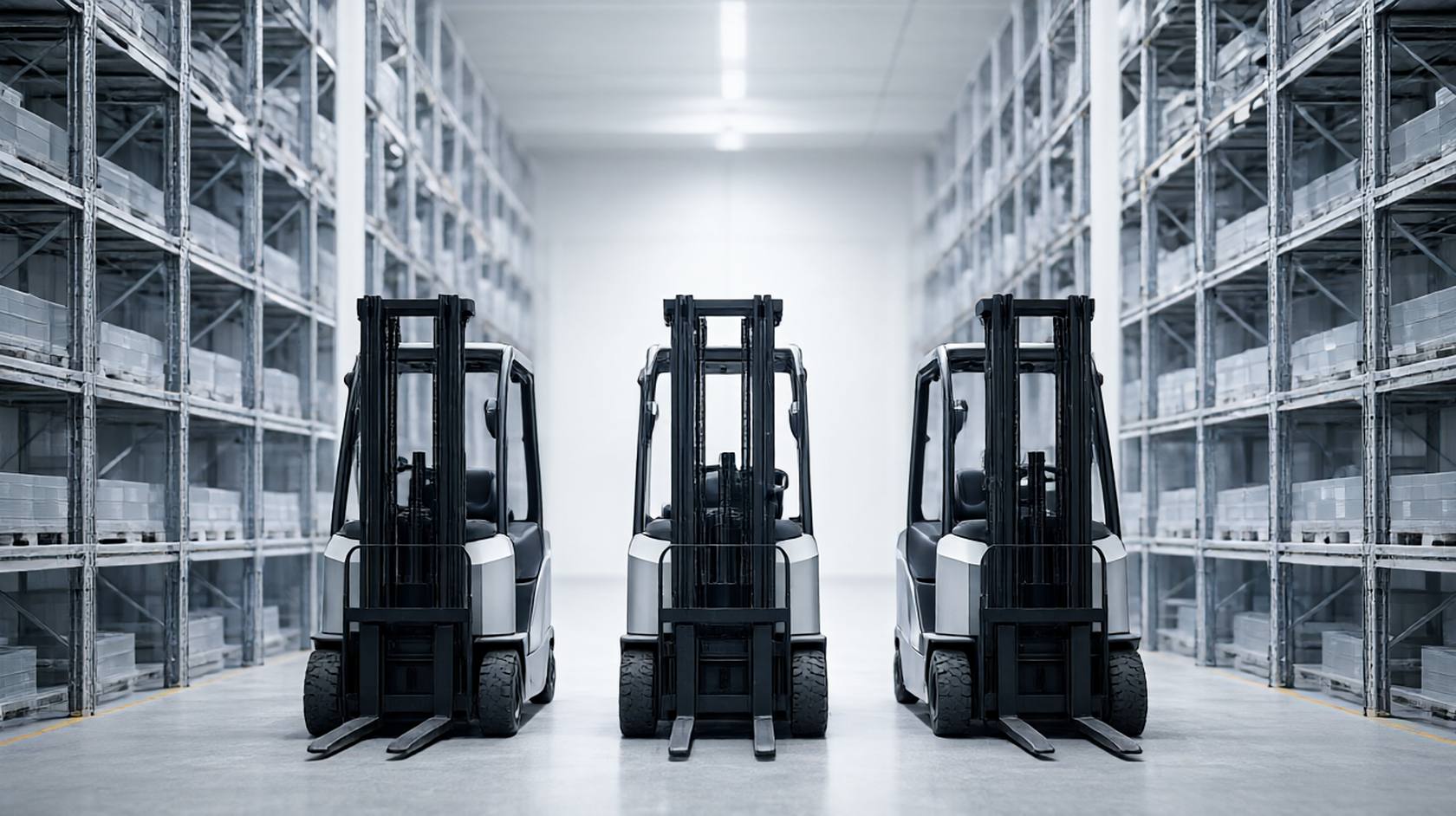
Forklift fleet replacement: the arithmetic behind the sticker price
The purchase price is the smallest number in a forklift decision. Cost per pallet moved, battery strategy, downtime and residual value decide whether a fleet is cheap or expensive - and most replacement plans only compare the invoice.
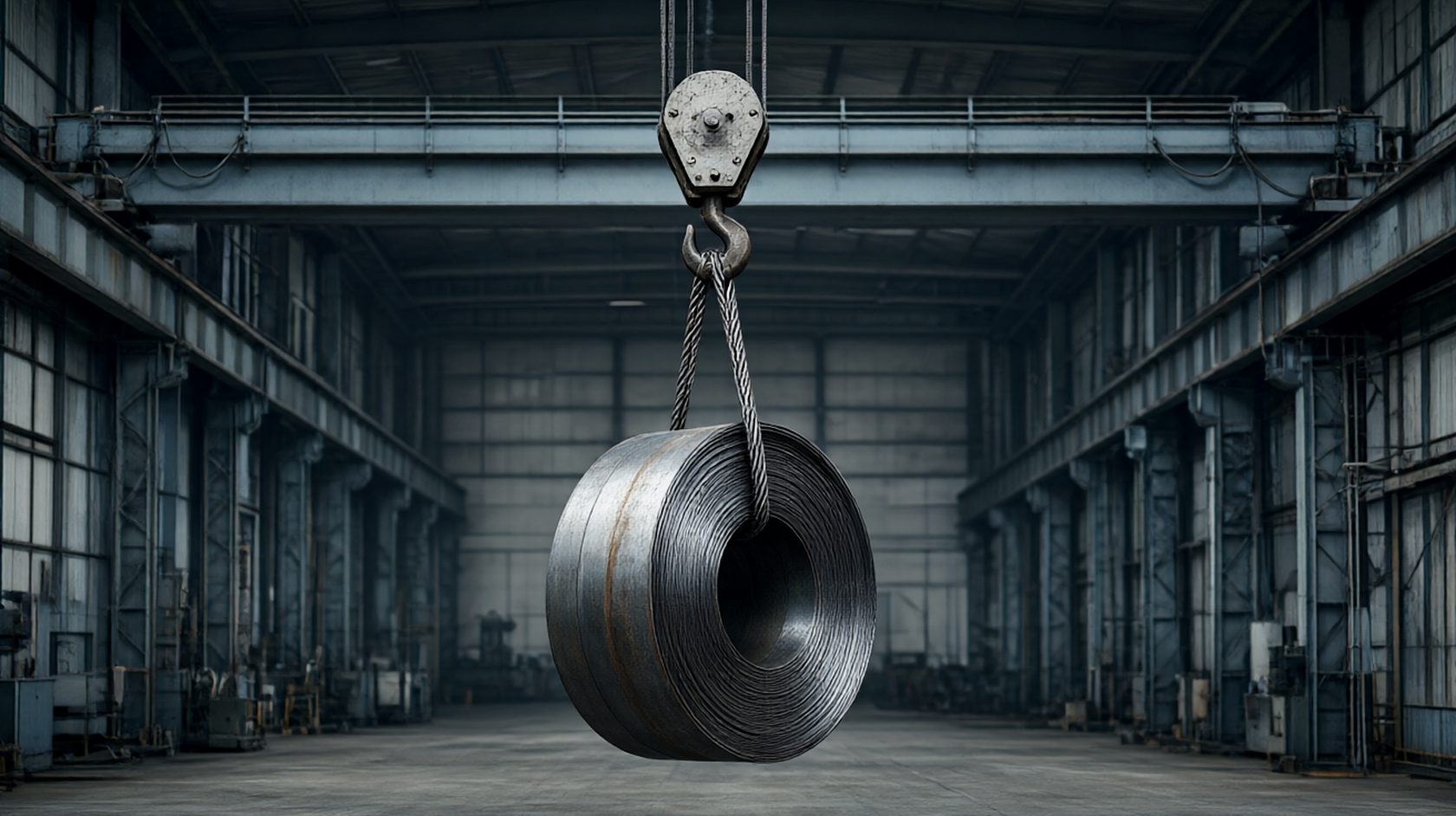
Overhead crane duty class decides the structure, not the tonnage
Two cranes rated at ten tonnes can differ by a factor of three in structural life. The number that matters is duty class, and the number that decides whether the building survives is the wheel load at each corner.
What a specification-support service should actually deliver
Buying machinery from a distance is not a purchasing problem, it is a translation problem. A specification-support service is worth paying for only if it produces documents you can hold a supplier to - not reassurance.

Washdown, dust and heat: how environment rewrites an equipment specification
The same conveyor bought for a parcel hall and for a food plant is two different machines. Environment decides materials, ingress protection, lubrication, cleaning method and maintenance interval - and it is usually specified last.

The questions buyers ask before signing, and what a good answer sounds like
Nobody signs a machinery contract because the brochure was good. They sign because the answers sounded credible. Here are the eight questions that separate a supplier who has done this before from one who has not.
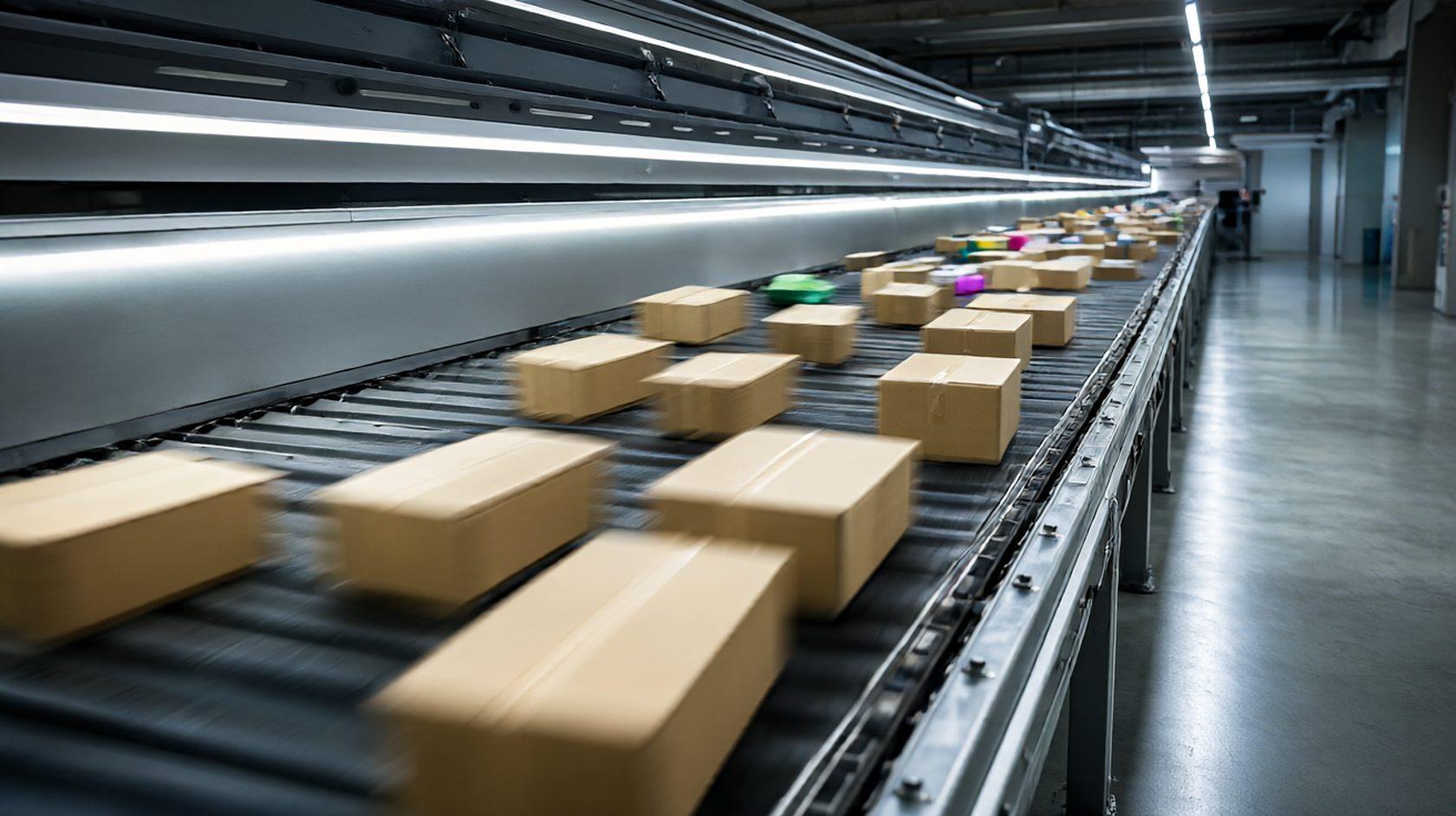
Throughput arithmetic: the layer budget behind a published rate
A sortation system's published rate is a sum of decisions, not a property of the machine. The number that predicts real throughput is the rate of the slowest layer - and it is almost never the sorter.

The acceptance chain: FAT, SAT, punch list and the handover that holds
Acceptance is not a meeting at the end. It is a chain of five links, and the project fails at whichever link was skipped - usually the one that felt bureaucratic at the time.